IPhO News

Filter By
IPhO News
Professional Development
Fellowship Central
Paths to Industry
Fellow Feature
Member's Journey
Coach's Corner
Student Leader Spotlight
Industry Pharmacist Success Stories

Member's Journey

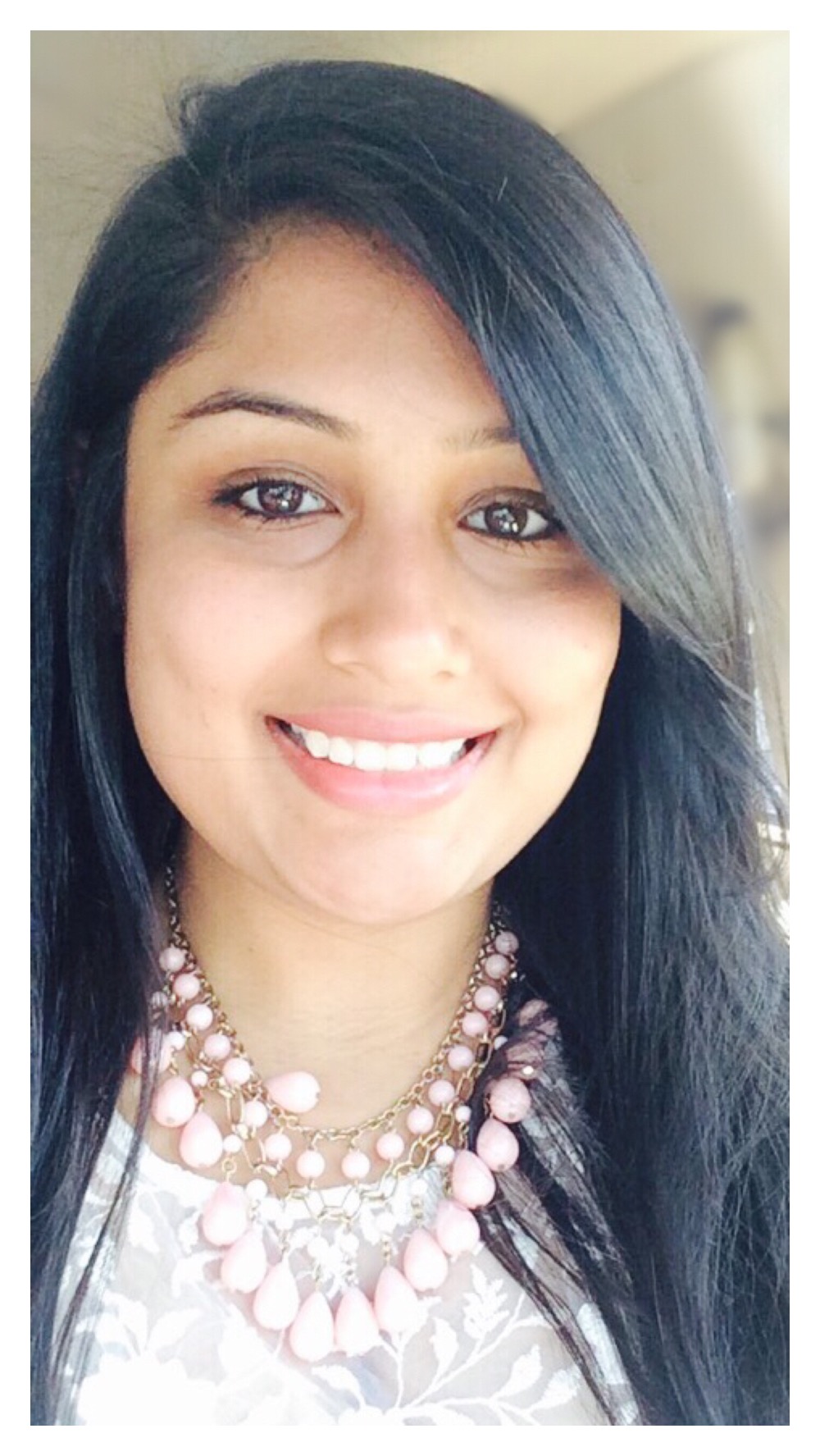
Nadia Shaikh, PharmD: Working Outside the United States After A Fellowship Program
February 3, 2016

Company and Department: Becton Dickinson and Company, Clinical Marketing
Current Role: Clinical Education Specialist, Diabetes Care, Canada
Alma Mater: MCPHS University, Class of 2013

As I entered pharmacy school, I always thought that I would be working in a position at a retail pharmacy just like all of the other pharmacists in my family had done. Some of them had ventured into the field of hospitals and long term care, but industry was not an option that I had ever considered, until my first professional year of pharmacy school. At that time we were introduced to the different fields that a pharmacist could work in and the idea of working for a pharmaceutical company captured my attention. I could not believe the multitude of job opportunities available in the industry, and how much of an impact pharmacists could have working there.

Read More

IPhO News

The Value of Pharmacists in the Pharmaceutical Industry
January 30, 2016

When I started pharmacy school back in 1988, I had a professor that emphasized the importance of the Doctor of Pharmacy degree and what it meant to him. He instilled in us that “No one will know more about drugs than the Pharm.D.” “We are the drug experts” he would always say. In fact, Pharm.D.s have multiple years of pharmacology experience, much greater than most MDs. During my 4th year of Pharmacy School, while I was doing an Intensive Care Unit (ICU) rotation, the attending physician, after having exhausted all he could do for a vancomycin-resistant patient who had a very difficult Staph hemolyticus infection, turned to me as a PharmD resident and said “Do you have any ideas how we can treat this person?” I remembered during my training that certain drugs have synergistic properties when given together. If you give vancomycin with rifampin together it will have a synergistic effect. Sure enough, the attending said go ahead give the combination and soon this drug combination had eradicated the organism and the person lived. This case report was my first publication and the first time I realized the significance of the knowledge that PharmDs possess and what role a clinical pharmacist can play in the management of patient care.

My professor also said that if we wanted to work in the pharmaceutical industry he would recommend an additional post-doctoral fellowship training to enhance our candidacy. Well, I took his advice and it worked. I have been in the pharmaceutical industry for over 17 years in the field of Clinical Research and Medical Affairs. I initially started in a Phase 1&2 Clinical Pharmacokinetics department as a Senior Clinical Research Associate and worked my way up to Vice-President of Clinical Research and Medical Affairs.

The current PharmD degree curriculum offers extensive didactic clinical preparation, a full year of hands-on practice experience in a wide array of healthcare settings, four years of pharmacology, extensive knowledge in pharmacokinetics and an emphasis on clinical pharmacy practice pertaining to pharmacotherapy. The PharmD is the expert in drug interactions, drug side effects, pharmacokinetics and based on the diagnosis, he/she can determine the exact drug or drugs to administer specifically for the patient.

This type of expertise is exactly what the pharmaceutical industry needs. Our industry is dedicated to discovering and developing new medicines. Who better to hire as an employee than a drug expert?! Someone who knows how these drugs work, how they interact with other drugs, how they are metabolized, and what patients will benefit from them! Not to mention that pharmacists consistently rank as one of the most trusted professionals in today's society. These are the values that a pharmacist brings to the pharmaceutical industry!

Through the course of my pharmaceutical industry career, I collaborated with essentially every department within the pharmaceutical company.Most of these departments have pharmacists working in them, including marketing, market research, pharmacovigilance, clinical development, clinical research, medical communications, medical information, medical affairs, regulatory affairs, business development and competitive intelligence.

Pharmacists/PharmDs are more equipped than ever to work in a pharmaceutical company. There is literally no limit to the positions a pharmacist can hold within the industry. Pharmaceutical training, expertise, and ethical reputation make today’s pharmacist an ideal contributor to the pharmaceutical industry.

Authored by

Paul Mastoridis, PharmD
Worldwide Brand Medical Director
Cystic Fibrosis, Devices & eHealth Solutions
Respiratory Franchise
Global Medical Affairs
Novartis Pharmaceutical Corporation

Read More

IPhO News

IPhO Hosts 3rd Annual Event For All Fellows Nationwide
December 19, 2015

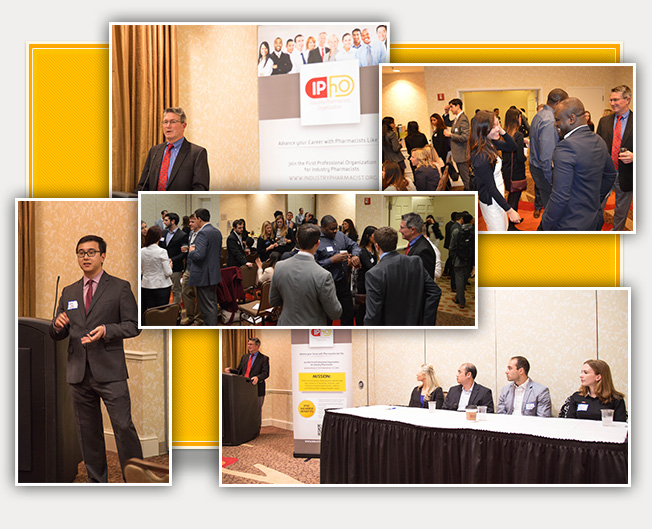
During the recent Midyear Meeting in New Orleans, IPhO and its National Fellows Council hosted an exciting event for Fellows of all Fellowship Programs around the country to network, and to learn more about how to get a full time position post-fellowship. Moderated by IPhO Executive Director Jim Alexander, the program featured an expert panel of successful fellowship alumni who shared their insights and guidance on how to search for a full-time position within industry. 

The IPhO National Fellows Council would like to thank the following panelists for volunteering their time and sharing their key insights:

  • Erica Dankiewicz, Senior Medical Information Specialist, Acorda Therapeutics 
    (2012 Alumna, Rutgers/Bayer Fellowship)
  • Rebecca Pleat, MSL Rare Diseases, Sanofi-Genzyme 
    (2015 Alumna, MCPHS/Genzyme Fellowship)
  • Corey Ritchings, HIV Medical Scientist, Bristol-Myers Squibb 
    (2013 Alumnus, Rutgers/BMS Fellowship)
  • Bryant Tran, Medical Affairs Scientific Director, GlaxoSmithKline
    (2011 Alumnus, UNC/GSK Fellowship)

Stay tuned for more industry pharmacist networking events from IPhO in the near future!

Read More

IPhO News

IPhO Co-Hosts Industry Pharmacist Event at Bayer
November 20, 2015

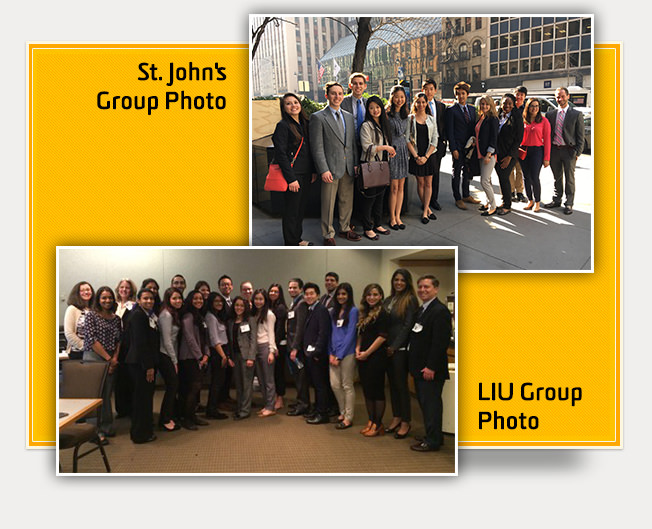
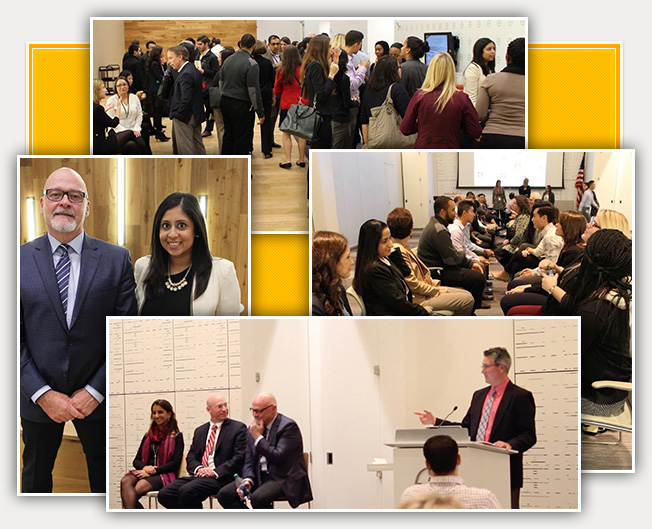
On November 10, 2015, IPhO and the "Pharmacists at Bayer" (PhAB) group from Bayer Healthcare hosted an event entitled "Human Capital: Shaping the Future of Industry," at Bayer Healthcare Headquarters in Whippany, NJ.

About 100 industry pharmacists from 25 different companies in the NJ/NY/CT/PA area participated in this inaugural event. 

Highlights included a "speed networking" session and a panel discussion about how talent acquisition and management strategies are shaping the future of industry, and what this means for industry pharmacists.  Moderated by IPhO Executive Director James Alexander, the panel was comprised of industry experts from Human Resources, Executive Search, and Senior Management including Naina Dhingra, Associate Principal for McKinsey & Company, Mark Durham, Managing Partner at Strawn Arnold, and Todd Paporello, Vice President of Regulatory Affairs at Bayer.

IPhO was pleased to collaborate with PhAB to present the event, and the participants expressed their appreciation to Bayer for their hospitality and generosity!

Stay tuned for future IPhO events. Next up is the December 5 event in New Orleans for Industry Fellows: How to Land a Full-Time Job Post-Fellowship. 

Read More

Professional Development

Questions About Midyear? IPhO National Fellows Council Has Answers!
November 12, 2015

The Midyear is approaching fast! As a service to IPhO Student National Members, the National Fellows Council is collecting your questions and answering them here on the website!

We want to answer YOUR question - please email us here: fellows@industrypharmacist.org

Please click or tap on "Read More" to view current Fellows' answers to the following questions: 

  • Are interviewers made aware of what other fellowships you are applying to via PPS, or is this question asked during interviews?
  • If you don't click with one preceptor/fellow pair for one position at a reception, will that affect your chances of making a good impression with another fellow/preceptor pair (different position or not) at that company?
  • Is it appropriate to offer my business card to a fellow/preceptor interviewer after an interview or reception? Or is that too aggressive/unprofessional by any means?
  • How long after you request an interview on PPS do you receive a reply?
  • Can you estimate the time you should stay at a reception if you plan on attending multiple?
  • For Rutgers fellowship program, do I submit my letter of interest following the midyear? If so, when is the appropriate time to submit the letter of interest?
  • Is it necessary for women to wear suits at interviews or is it ok for women to wear other business professional attire (not a jacket)?  
  • I have a brief phone call interview scheduled, and I'm not sure what to expect. What's the purpose of phone call interviews?


As a service to IPhO members, the National Fellows Council is pleased to provide professional guidance related to Midyear. Remember to submit more questions to: fellows@industrypharmacist.org

Are interviewers made aware of what other fellowships you are applying to via PPS, or is this question asked during interviews?

Fellowship programs will not know which other programs/positions you’ve applied to unless it’s within the same fellowship. Bear in mind however that interviewers most likely expect candidates to have applied to multiple programs. There’s nothing wrong with that. There’s also nothing wrong with applying for multiple positions within the same fellowship program especially if you are consistent with which functional areas/positions you apply to.

If you don't click with one preceptor/fellow pair for one position at a reception, will that affect your chances of making a good impression with another fellow/preceptor pair (different position or not) at that company?

You might not necessarily click with everyone you connect with at a reception or interview, but remember a decision on which candidates are offered positions will be a collective decision among all the stakeholders involved with the selection process. Hence, the more people you click with, the higher your chances of a favorable interview outcome. In addition, very few final decisions are made at the midyear.  Your goal is to get an onsite interview, and that is also a group decision.

Is it appropriate to offer my business card to a fellow/preceptor interviewer after an interview or reception? Or is that too aggressive/unprofessional by any means?

It is appropriate to bring business cards to interviews and receptions and gives candidates a professional polish. Feel free to offer your card or ask for the fellow’s card first.

How long after you request an interview on PPS do you receive a reply?

This varies from program to program and from position to position. It could be immediately, or it could be weeks later.

Can you estimate the time you should stay at a reception if you plan on attending multiple?

It depends on how many receptions you need to attend. If it is more than two in one night you will need to make a plan of action.  The most important thing is to stay long enough to have a meaningful interaction with the people you need to. Staying for about 30-45 minutes should be enough time.

For the Rutgers fellowship program, do I submit my letter of interest following the midyear? If so, when is the appropriate time to submit the letter of interest?

For the Rutgers Fellowship Program, you should submit your letter of interest immediately following Midyear. Ideally, you could upload it on the Wednesday or Thursday after the program receptions. Candidates submit one letter for the Rutgers Program, even if applying to multiple companies.

Is it necessary for women to wear suits at interviews or is it ok for women to wear other business professional attire (not a jacket)?

Students sometimes wear business professional attire other than suits to their interviews, depending on how it looks and how comfortable you are. However, please keep in mind that packaging is important.  Your attire is a reflection of how you are as an individual and how serious you are regarding the position.  Appearance matters!

If I have a brief phone call interview scheduled, and I'm not sure what to expect. What's the purpose of phone call interviews?

For most programs, there is a finite number of interviewing slots at midyear, and the number interested candidates exceeds it. The purpose of a phone call interview/screen is for the interviewer to assess whether or not you are a serious applicant. The questions will more likely be more general in an initial screening interview. Remember that your goal is to come across as enthusiastic and committed so that you are invited for more interviews!


Read More

IPhO News

Satisfaction With IPhO Coaching Service
November 7, 2015

Sample Measurement of Satisfaction with a Professional Industry Coaching Service

The interest in pursuing a professional career in pharma continues to increase, as many pharmacists are not satisfied with the practice that they are currently employed in. Additionally, there is growing interest by student pharmacists who are being exposed to industry through rotations, electives, and internships. This has resulted in a significant increase in pharmacy graduates seeking to pursue industry as a career. Unfortunately, this has resulted in steep competition among candidates especially for entry- level positions and fellowships within industry. To support this growing need, IPhO launched a career coaching service for its members.

Lauren Bartolome, a University of Florida PharmD Candidate and IPhO Chapter President participated in an IPhO internship and collaborated with Jerry Silverman, VP Professional Development and Coaching to measure satisfaction among a sampling of participants utilizing this coaching service.

Methods

A ten-question survey was developed to measure overall participant’s satisfaction including: assistance in customizing their CV/resume, identifying their strengths and weaknesses, providing honest feedback and practical guidance, and participant determination of cost-effectiveness. The coaching service is available in time increments of 45 minutes each and respondents purchased on average three credits.

Results

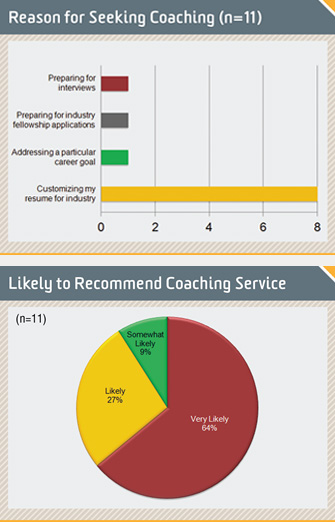
The vast majority of candidates (73%) sought coaching to customize their CV/resume for industry. All respondents stated that they were satisfied or very satisfied with the IPhO Coaching Service. When respondents were asked whether they would be likely to recommend this coaching service to a friend or colleague; 91% responded very likely or likely.

IPhO is very pleased with the consistent feedback and ongoing demand for its coaching service to date. Based on the participant’s rating of satisfaction, referral, and cost-effectiveness, the IPhO Coaching Service looks like it is on the right track in providing this important service.

For more detailed information concerning this research study and to view the published poster, please visit IPhO Scholarly Publications

Authored by Lauren Bartolome, PharmD Candidate, Class of 2017, University of Florida

Read More

IPhO News

IPhO Launches NEW Certificate Catalog
August 20, 2015

IPhO is pleased to introduce a new resource for its members, the Industry Certificate Catalog. This Certificate Catalog contains important program and contact information describing industry-focused post-graduate certificate training programs in the U.S. 

In many cases there is significant value to certificate programs – which are very practical and often underutilized credentials that can provide new graduates and experienced industry pharmacists with an appealing combination of i) rapid post-secondary achievement and ii) portable skills and knowledge. Certificate programs enable graduates to enhance their resume/CV credentials and strengthen their candidacy for their first industry position.   These programs also serve as valuable collateral to help industry pharmacists transition into disciplines outside of their existing/core department.

IPhO Members can click/tap “Read More” below to view or download the Industry Fellowship Catalog.

Click/tap here to view or download the Certificate Catalog

IPhO welcomes your assistance in keeping the Certificate Catalog as current and accurate as possible, so please email any suggested updates using our contact form.


PLEASE NOTE THAT THIS CATALOG IS INTENDED FOR THE INDIVIDUAL USE OF IPhO MEMBERS ONLY AND SHOULD NOT BE COPIED OR OTHERWISE REDISTRIBUTED.  Please refer to the IPhO website terms of service policy here: http://www.industrypharmacist.org/legal.php

IPhO recognizes and sincerely thanks the following IPhO Student Interns and National Fellows Council members for their work on this project; Kimberly Gittings, PharmD Candidate 2016, University of Rhode Island and Chair, IPhO National Student Chapters, Megan N. Brown, PharmD, Fellow Drug Information Purdue/Janssen/FDA, Matt Vitale, PharmD, Visiting Scientist Fellow, Eli Lilly, and Kushal Patel, PharmD Candidate 2016, Rutgers University.

Read More

IPhO News

Student Pharmacists' Interest in the Biopharmaceutical Industry
July 1, 2015

The number of pharmacy schools is steadily increasing, but what about the number of pharmacy jobs? The job market is very different than it was 10 years ago; there is no longer a pharmacist shortage. Since there aren’t as many incentives to join retail pharmacy as before, students have started exploring other career paths for pharmacists. Students say they are not receiving enough information about industry, so why is there increasing interest in it?

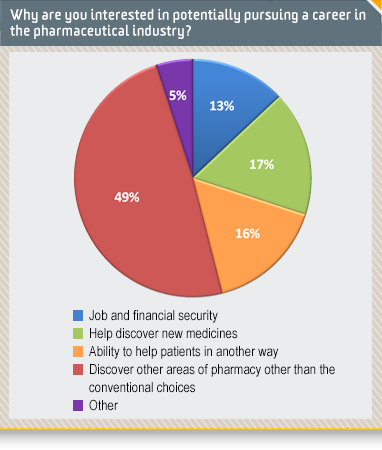
In a recent survey, almost 50% of student pharmacists indicated that the reason they are potentially interested in the biopharmaceutical industry is to discover areas of pharmacy other than the conventional retail and hospital pharmacy they are exposed to in school. This may either be due to an interest in finding out more about something unfamiliar or a desire to explore a different career path because they do not see themselves working in a hospital or retail setting.

17% of students surveyed indicated that they want to help discover new medications and 16% of students want the ability to help patients in different way. In a hospital or retail setting, there is a limited radius of patients a pharmacist can impact. In industry, the potential to help patients extends to a global level. 13% of students see the industry as a source of job and financial security.

The “other” category (5%) included reponses like self-satisfaction, growth, research opportunities, and the ability to help patients on a global level while merging business and research and development into one career.

The robust PharmD curriculum prepares pharmacy graduates well for traditional pharmacy roles. But the PharmD degree is also very versatile and allows pharmacists to venture into many non traditional roles as well, including industry. Accordingly, some students appear to be eager to pursue a multidimensional career, rather than just the clinical aspects of pharmacy. This bodes will for the biopharmaceutical industry, since it is represents one of the best ways for a pharmacist to apply his/her skills and knowledge outside of the traditional pharmacy setting.

Authored by Nikole Shpilfogel, MCPHS University-Boston PharmD Class of 2017, with contributions from Professor Bernard Tyrrell, MCPHS University-Boston, and James Alexander, Executive Director of IPhO

Read More

IPhO News

IPhO and INFC Announce Winners of 1st Annual VIP Advocacy Challenge
May 17, 2015

IPhO MCPHS- Worcester and VCU Chapters Place First and Second in the Annual VIP Advocacy Challenge Program

The VIP Advocacy Challenge is an annual program IPhO Student Chapters participate in to create positive messages about the value of industry pharmacists and the value of the pharmaceutical industry.

The VIP Advocacy Challenge is targeted to providers, payers, and industry employers to highlight the critical roles of pharmacy professionals within the pharmaceutical industry. Each IPhO Student Chapter was invited to develop an outreach platform that advocates for the contributions make in supporting the role of industry in improving patients’ quality of life.

This program was designed, supervised, and evaluated by the IPhO National Fellows Council (INFC), which is comprised of current Fellows, and IPhO members that represent a significant majority of the industry fellowship programs nationwide. The INFC collaborates to establish various developmental and networking activities consistent with the mission and goals of IPhO.

Following a thorough evaluation process, the INFC is pleased to present the results of the 1st Annual VIP Advoacy Challenge!

 FIRST Place Winner

MCPHS University-Worcester IPhO Chapter Presents: The Industry Pharmacy Experience

The MCPHS-Worcester IPhO chapter collaborated with Science Café Woo and Nu Café a local cafe in Worcester, MA to host an event to promote the ongoing R&D of pharmaceutical companies to a consumer audience. The event was also able to showcase how a pharmacist in the industry could impact patient health.

The event included 3 guest speakers: Professor Bernard Tyrrell, Director of the MCPHS University Biopharmaceutical Industry Fellowship Program; Lee Anne Filosa, a Translational Medicine Fellow at Novartis Institutes of Biomedical Research; and Carrie Cammarano, a Clinical Supplies Fellow at Genzyme.
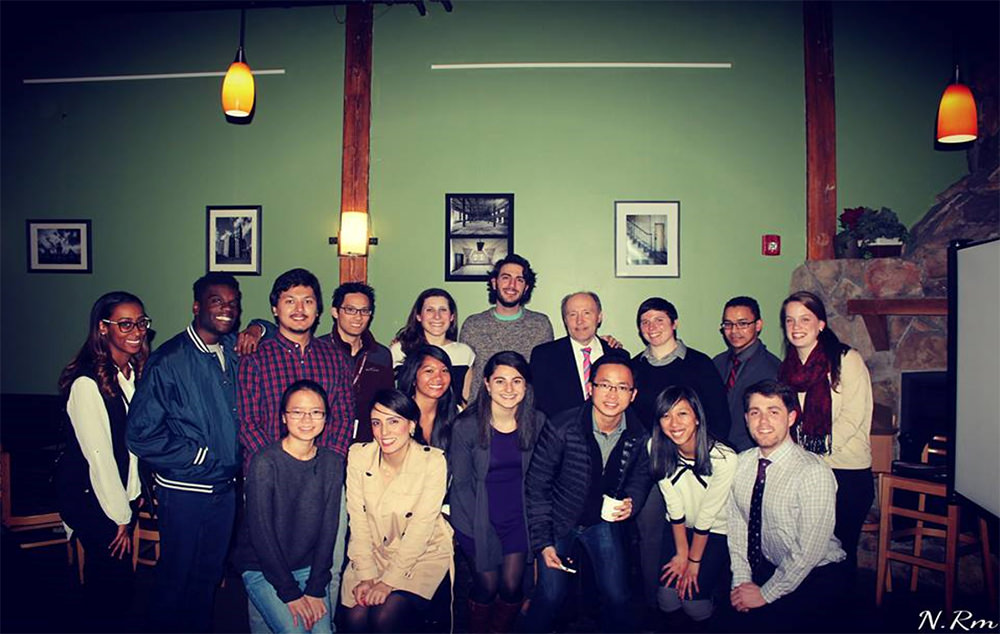
An IRB-approved six-question survey assessed audience impact. 27 of 80 consumer participants completed pre- and post-program surveys to evaluate changes in attitude and knowledge. The evaluations showed a marked 19.2% increase in consumer’s perception of the impact of industry pharmacists.  

This event was a remarkable success and drove several outreach opportunities and partnerships in the local community.

Second Place Winner

Virginia Commonwealth University IPhO Chapter: Professional Advocacy Series Highlighting the Importance of Pharmacists in Industry

Pharmacists are consistently recognized for being the most trusted healthcare professionals. This respect is earned mainly from their contributions in traditional community and hospital roles. However, the scope of pharmacy practice also extends to the pharmaceutical industry, where pharmacists work in many diverse areas.

To highlight the impact of pharmacists in these roles, the VCU-IPhO Advocacy Challenge Committee created and produced a short film. This video provides an overview of a drug product’s life cycle and the contributions that pharmacists make throughout the process. The committee collected the opinions of VCU School of Pharmacy students and faculty via on camera interviews, and produced a video featuring both live interviews and animations. The final product provided student and faculty insights in combination with key information about the pharmaceutical industry.
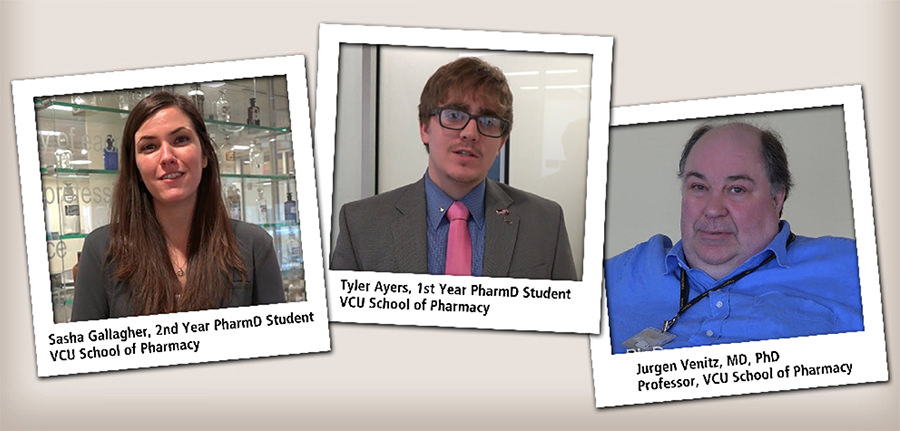
The intended audience for this film was the student and faculty community of VCU School of Pharmacy. To increase outreach within the VCU School of Pharmacy, the video was shared on several social media platforms, including YouTube and Facebook. Video viewership was promoted via in-class announcements and school-associated social media outlets, which enabled the film to reach students and faculty who were less familiar with the diverse roles that pharmacists hold within industry. The impact of the film was measured by viewership, which has already exceeded 300 views.

Awards and Recognition

  • First place winner MCPHS University-Worcester received $250
  • Second place winner Virginia Commonwealth University (VCU) received $150
  • Other IPhO Chapters participating in the Challenge received $75 each (Northeastern University, Rutgers University, and Temple University) 
  • Recognition of the 1st and 2nd place winners will reach all 2,500 IPhO student and fellow registrants/members via email and the IPhO website

IPhO will also identify and evaluate elements from all chapter submissions that may be suitable for inclusion in future national programs and chapters will be recognized accordingly.

INFC and IPhO Leadership thank all chapters for their participation and commitment in creating and implementing advocacy programs that promote the Value of Industry Pharmacists to all of the many stakeholders who influence our professional success.

Best,

Bhavini Parikh, PharmD

Chair, IPhO National Fellows Council

Fellow, Eli Lilly & Company, FDA, Purdue University


Jerry Silverman, RPh

VP, Professional Development and Coaching, IPhO

Read More

IPhO News

Student Pharmacists' Exposure to the Biopharmaceutical Industry
May 15, 2015

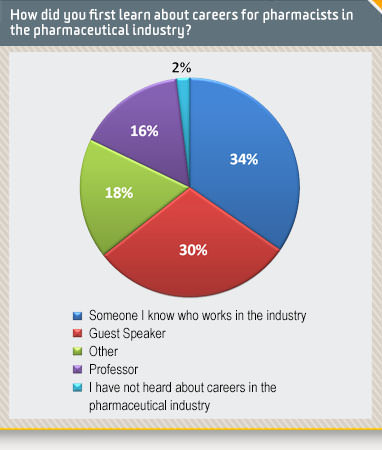
The biopharmaceutical industry is gaining more student attention. However, the question is how are student pharmacists finding out about this pathway? In a survey conducted over the summer 2014 and early part of the 2014-15 school year, this question was asked of 193 student pharmacists. The majority of students answered that they either knew someone who works in the industry or were exposed to the industry through guest speakers. The “other” section included methods such as previous internship and rotational experiences, independent research, and exposure at professional organizations such as IPhO meetings and the APhA-ASP conference.

There are relatively few specific classes or exposure to the biopharmaceutical industry in conventional pharmacy curricula. As a result, industry career choices are often much harder for students to explore. Self-aware students that find their niche in the industry start organizations such as IPhO and organize events like MCPHS University’s annual “The Emerging World of the Industry Pharmacist.” Events like these are a great opportunity to network and find out about the different opportunities within industry.

Although there are now 19 IPhO chapters distributing significant amounts of information, there is a need for changes to curricula in pharmacy schools to include other opportunities in pharmacy beyond hospital, clinical, or community pharmacy. Guest speakers from industry are a good way to reach a large audience, and this should be continued. In addition to existing general classes such as Introduction to Pharmacy Management, pharmacy school faculty and administration should consider offering more elective courses about industry and providing more information about how students can get involved.

Authored by Nikole Shpilfogel, MCPHS University-Boston PharmD Class of 2017, with contributions from Professor Bernard Tyrrell, MCPHS University-Boston, and James Alexander, Executive Director of IPhO

Read More

IPhO News

MCPHS-Boston IPhO Chapter Hosts 2nd Annual "Emerging World of Industry Pharmacists"
May 13, 2015

On April 15, 2015 the MCPHS University-Boston IPhO Chapter hosted the 2nd Annual “Emerging World of the Industry Pharmacist” at the MCPHS-Boston campus.

200 Industry Pharmacists, Fellows, and Students came together to network and celebrate the industry pharmacists’ emerging role and future growth opportunities. The event focused on industry pharmacists’ role in assisting, adapting, and responding to help meet the current nationwide and global demands of healthcare within their companies and organizations.  The event featured a keynote address from Pritesh Gandhi, PharmD, Vice President of Medical Affairs at Alnylam and a panel discussion about challenges and opportunities for growth and success of industry pharmacists moderated by IPhO Executive Director James Alexander. The panel was comprised of a number of accomplished industry pharmacists from Boston-area biopharmaceutical companies, including:

- Brian Fulling, Senior Manager, Clinical Research, Pfizer
- Kristy Grimm, Senior Director, Global Medical Affairs, Vertex
- Stephanie Melillo Fradette , Senior Manager, Regulatory Affairs, Biogen
- Chris Robertson, Associate Director, Medical Training, Biogen
- Professor Bernard Tyrrell, Associate Dean, MCPHS University

MCPHS University Vice President Peg Johnson, on behalf of President Charles Monahan, delivered the welcoming address, and closing remarks were provided by Bridget Cloonan, IPhO Student Chapter President.

Many thanks to the MCPHS-Boston IPhO Student Chapter, including student leaders Bridget Cloonan, Sreenadh Mallavalli, Pooja Patel, Mary Salatino, Joseph Naggar, Sujal Shah, Sandeep Singh, Herjas Kalra, and Mia James.

Stay tuned as we will be featuring a video series from the “Emerging World” event on the IPhO website in the near future!

Authored by Bridget Cloonan, President, MCPHS-Boston IPhO Chapter

Read More

IPhO News

IPhO National Student Leadership Group Hosts 2nd Annual Event
April 16, 2015

On March 29, more than 50 student pharmacists gathered at APhA 2015 in San Diego for IPhO's 2nd Annual National Student Event, entitled "Industry Careers: Building a Health Future for Student Pharmacists," hosted by the IPhO National Student Leadership Group. In addition to providing information for students to prepare themselves for an industry career/fellowship, the presentation highlighted the work of the National Student Chapter Network (now at 16 approved chapters!) as well as an overview of the IPhO National Fellows Council.

The agenda included:

    Student Chapter Network Update - Alex Wei (RU 2015), IPhO National Student President, incoming Alnylam Pharmaceuticals/Northeastern Fellow
    The "Perfect" Fellowship Candidate - Matthew Schmidt (Northeastern 2015), Northeastern Chapter founder, incoming Genentech/Rutgers Fellow
    IPhO National Fellows Council Overview - Joseph Fiore, PharmD, current Merck/Rutgers Fellow
    IPhO Student Services, Benefits, and Opportunities - Jim Alexander, PharmD, IPhO Executive Director and Founder

We would like to thank all of the IPhO student leaders and attendees across the country who helped in making this event another success! If you would like to start a student chapter at your school or are interested in supporting an existing student chapter at your alma mater, please contact support@industrypharmacist.org!

Read More

Member's Journey

Camille Pope, PharmD
April 10, 2015

Company and Department: Abbvie, US Medical Affairs
Current Role: Senior Medical Science Liaison
Alma Mater: Florida A&M University, Class of 2007

My industry journey began with an internship at AstraZeneca the summer before my third year of pharmacy school. I pursued the internship after my older brother (who did not have a medical background) obtained a position as a sales representative with a leading pharmaceutical company. He told me that pharmacists worked at his organization to provide medical training and support for their representatives. I had no idea that these types of roles existed for pharmacists and was intrigued by the thought of being able to use my clinical knowledge to educate non-medical industry employees. I discovered that AstraZeneca offered a program specifically geared toward exposing pharmacy students to various functional areas. It was during my AZ marketing internship that I learned about other departments such as Medical Information and Regulatory Affairs.

Read More

IPhO News

IPhO Hosts 2nd Annual Boston-area event: Emerging World of the Industry Pharmacist
March 14, 2015

Wednesday, April 15, 2015 (5:45pm Registration, 7-9 pm event)

Please Register here: http://www.industrypharmacist.org//rsvp/MCPHSPharmD2015

The IPhO MCPHS University Boston Student Chapter is pleased to present The Second Annual:
Emerging World of the Industry Pharmacist.  This is an opportunity for you to connect with other
industry pharmacists, fellows, and students in the Boston area.

In addition to offering some terrific networking opportunities, the event will feature a keynote
address from Pritesh Gandhi, PharmD, VP Medical Affairs for Alnylam and a panel discussion
moderated by IPhO Executive Director James Alexander.  The panel features a diverse group of
industry pharmacists and academic faculty in the greater Boston area, including:


•    Brian Fulling, Senior Manager, Clinical Research, Pfizer
•    Kristy Grimm, Senior Director, Global Medical Affairs, Vertex
•    Stephanie Melillo, Senior Manager, Regulatory Affairs, Biogen Idec
•    Chris Robertson, Associate Director, Medical Training, Biogen Idec
•    Professor Bernard Tyrrell, Associate Dean, MCPHS University


Panelists will be discussing the critical challenges and opportunities for industry pharmacists in
today’s biopharmaceutical and pharmaceutical industry.

Attendance is free!  Space is limited and pre-registration is required, so reserve your spot today!

Read More

Professional Development

Speak Up: 10 Ways to Get Your Voice Heard
February 27, 2015

Have you ever left a meeting or conference thinking, “I wish I had said something?” 

You are not alone. People often come up to me and confess that they are hesitant to speak up at meetings. Others mention that when they do say something, no one responds. 
http://4.bp.blogspot.com/-UChBd5sUgCs/VG8rc7LdvEI/AAAAAAAAAZ8/V0Kf465HTOA/s1600/speak%2Bup.png
In a recent article in the New York Times, Sharon Napier, CEO of Partners + Napier, stressed the importance of voicing your opinion when she said: “Don’t sit quietly and think about things and maybe whisper to somebody or tell people afterward. Put yourself out there, and get involved in the conversation.” 

Check your behavior against this list of 10 key assertiveness points to make sure your voice is heard. Do You:

1. Prepare ahead of time? It is easier to say something when you have practiced. Think about the meeting and what may be discussed. Familiarize yourself with what you want to say so that you can say it with confidence when the topic comes up.

2. Establish your presence? Walk into the room as though you belong there. Greet people. If you feel comfortable being in the room, you will feel more confident about saying something at the meeting.

3. Understand the consequences of not speaking up? You want your bosses, colleagues, and customers to view you as competent and credible. If you don’t speak up, they don’t know what you know, and you can become overlooked and irrelevant. Jenny Ming, chief executive of the clothing chain Charlotte Russe, was also quoted in the New York Times article. She said: “What I learned is that you can’t assume that people know what you’re thinking or what you want in your career. You have to speak up.”

4. Speak early? The longer you wait to give your opinion, the harder it will be to speak up. Make a comment or ask a question near the beginning of the meeting.

5. Make your point without asking permission? Do you say, “May I make a point?” When you do, it’s easy for others to think, “No.” Either say, “I have a point,” or simply speak out with your comments.

6. Speak loudly enough to be heard? If you speak softly, your comments may not register with others. Practice increasing your volume. Initially, you may feel that you are shouting, but the chances are that you are finally speaking loudly enough to be heard. Additional information on verbal and nonverbal communication can be found in my latest two books, The Power of Positive Confrontation and The Essentials of Business Etiquette.

7. Know how to interrupt? Yes, I know, interrupting is generally frowned upon. Yet, in some situations, if you don’t interrupt you won’t get to speak. The easiest way to interrupt is when the other person takes a breath. You then speak up quickly, acknowledge what the person said, and add your thoughts.

8. Avoid giving too much detail? If you belabor your points, people will tune out. Say what you need to say in as few words as necessary.

9. Control your body language? Do not wring your hands or play with paper clips or rubber bands. They become distractions, and take away from what you are saying. Make sure you look people in the eye. You appear more confident when you make eye contact.

10. Eliminate self-discounting statements? Don’t start your comments with, “It’s only my opinion,” or similar statements. Don’t conclude with, “I don’t know. What do you think?” If you discount yourself, it’s easy for others to discount you as well.

Pachter & Associates provides training and coaching on presentation skills. For additional information, contact Joyce Hoff at 856.751.6141 or joyce@pachter.com

Read More

Professional Development

Giving a Presentation? The 10 Things You Must Do!
February 5, 2015

The ability to make an effective presentation is an important business skill. As a presenter, you need to get your point across. And if you do so effectively, not only does your audience gain information, but you look good.

Yet many people, at all levels, are unsure how to appear confident and credible when speaking in front of others. Over the past few months, even seasoned professionals have been among those I have coached on presentation skills.

Whether you are a manager explaining new programs to your employees, a chief financial officer giving a financial update to the media, or a vice president speaking in front of your board of directors, following these 10 suggestions will help you achieve presentation success:

1. Know your audience. Learn as much as you can about your audience before the presentation. How much do they already know about your topic? What more do they want to know? If you address the needs and concerns of the people in your audience, they are more likely to listen to you.  

2. Practice out loud. You want to hear how the presentation sounds. Saying it in your head isn’t good enough. Is it structured logically? Are you using transitions between points? Does the presentation make sense? Hearing the speech as your audience will hear it helps you to clarify the areas you need to work on.

3. Dress for the presentation. Your attire can help you appear as a self-assured person. Think about your audience members and what they will be wearing. Dressing slightly better than your audience adds to your credibility.

4. Mingle before the presentation. When you can, meet the participants. Go up to people, shake hands, introduce yourself, and welcome these individuals to the presentation. This rapport-building helps people connect with you, and allows you to feel more comfortable with them.

5. Establish your credibility. Make sure the audience knows why you are qualified to talk about the subject. If you are not already known to the audience, or if nobody introduces you, give a self-introduction at the beginning of your presentation.

6. Pay attention to your nonverbal communication. Use good posture, and look at people in the audience. Remember that gestures bring your words to life, but avoid nervous fiddling, such as playing with a pen or rubber band. Speak loudly enough to be heard. (Additional information on communication can be found in my new book, The Essentials of Business Etiquette.)

7. Don’t discount yourself. Avoid comments that belittle you or your talk. These include such statements as, “I hope I don’t bore you, but I am going to talk about…” or “I know you didn’t come here to hear me.” Be careful with filler words. If the audience is counting the number of times you say um, they are not listening to what you have to say – and too many filler words make you appear unprepared and nervous, too.

8. Tell stories. Stories bring your presentation to life. When discussing a specific point, concept, product or service, tell a story about someone who proves your point or benefits from your service. Your audience will remember the story, and as a result your presentation. (See my previous blog, Tell Tale: Bring Your Presentation to Life, for additional information on using stories.)  

9. Use slides to enhance your presentation. Slides should supplement and support your talk, not supplant it. They are not your presentation! Limit the information on each slide.

10. Anticipate the questions. Think about the questions that you may be asked, and know how you will respond. If you prepare ahead of time for every negative or harsh comment you can imagine, you are less likely to be caught off guard.

Pachter & Associates provides training and coaching on presentation skills. For additional information, contact Joyce Hoff at 856.751.6141 or joyce@pachter.com

Read More

IPhO News

IPhO Hosts Speed Networking Event for All Fellows Nationwide
February 1, 2015

During the recent ASHP Midyear Meeting in Anaheim, IPhO and its National Fellows Council (INFC) hosted an exciting speed networking event designed for all Fellows and Residents currently participating in Pharmaceutical Industry-focused training programs. This event brought together nearly 100 Fellows from all different programs around the country to network and discuss best practices among Fellowships.

Stay tuned for more industry pharmacist networking events from IPhO in the near future!

Members of the IPhO National Fellows Council are:

Joseph Fiore - Merck
Danielle Formella - Cubist
Allison Held - Lilly
Bethsy Jacob - Haymarket
Ashlyn Jose - Perrigo
John Andrew Lee - PPD/UNC
Shane McGann - Genzyme
Elvis Osei Tutu - GSK/UNC
Bhavini Parikh - Lilly/FDA/Purdue
Victoria Vazquez - BMS


Read More

Professional Development

7 Steps to Eliminate a Harsh Tone in Your Emails
January 27, 2015

-- But, I didn't mean it that way.
-- I don't understand why he responded so negatively.
-- People always tell me I have a tone. I don't get it!

A common concern people have expressed in my writing classes is that they appear (inadvertently) harsh in their emails. As the above quotes indicate, they don't realize that their word choice and what they include in their emails affect how people interpret their comments.


In an email, you can't rely on nonverbal communication to soften harsh wording, since recipients don't see your face or hear your voice.  Following these seven suggestions will help you to eliminate any unpleasant tone in your writing:

1. Include a salutation. Though not technically required in an email, a salutation is a positive way to begin. It makes you sound friendlier.  A simple "Hi Sally” or Dear Sally" will start your message on a more pleasant note.  Also use a closing comment, such as “Best regards” or “Thanks.”

2. Use positive, not negative, wording. Many emails acquire a harsh tone simply based on the writer's choice of words. Avoid negative words such as failure, wrong, blame, or neglected. Use please and thank you. Emphasize the positive. Listen to the difference in these two statements: “We will be able to finish the work by December 1” versus “We won’t be able to finish the work until December 1.” The meaning is the same, but the second statement makes the information sound negative.

3. Don’t use all caps. Occasionally, I will have someone in my class who doesn't know that writing emails in all capital letters is the equivalent of shouting. People don't like to be yelled out. STOP DOING IT.

4. Go easy on emphasis techniques. Using bold or bright-colored fonts (red, purple, etc.), large fonts, or too many exclamation marks can make you appear aggressive.

5. Make your document easy to read. Do not include too much detail. Don’t keep repeating the same information – you may insult your reader. Use only as many words as necessary to convey your meaning. You want to maintain your reader’s interest so that he or she reads the whole document. Have margins. Use short paragraphs, and vary the length of your sentences.

6. Eliminate any curse words. This is so obvious a point that I shouldn't have to mention it. Unfortunately, my experience has taught me otherwise.

7. Read the email out loud before you hit send. If what you have written sounds harsh to you, it will sound harsh to your reader. Review the above six items, and change whatever is necessary in your email to make it sound less severe. Make sure you do this step – it is important.

Numbers 2 and 6 also apply to eliminating a harsh tone when you speak. Additional information on “polite and powerful” wording can be found in my latest books, The Power of Positive Confrontation (Da Capo, 2014) and The Essentials of Business Etiquette (McGraw Hill, 2013).

Pachter & Associates provides training and coaching on communication skills. For additional information, contact Joyce Hoff at 856.751.6141 or joyce@pachter.com

Read More

Professional Development

Gaining a Professional Edge through Pharmaceutical Industry Coaching
January 18, 2015

Contributed by Lauren Bartolome, IPhO Student Pharmacist Intern and President, University of Florida IPhO Chapter

Sometimes the more novel approaches to career development are approached cautiously. Students, fellows, industry and  experienced pharmacists of all practice settings are not accustomed to utilizing experienced coaches in order to achieve their career goals.  As a consequence, many aspiring and experienced industry pharmacists are  missing out on a valuable resource: the IPhO coaching service.

One of my assigned intern projects was to begin measuring the effectiveness of the IPhO Coaching Service in a pilot outcomes study. Under the guidance IPhO’s VP of Professional Development & Coaching, I developed a ten- question survey to measure satisfaction of participants including:  achieving their career goals, assistance in customizing their resume, identifying their strengths and weaknesses,removing any obstacles to advancing their industry career, and providing honest feedback and practical guidance.

One IPhO Coaching credit is redeemable for a 45-minute online video session. Pricing varies and is heavily discounted for IPhO student and experienced industry pharmacist members. Non- members can also participate, however the cost is not discounted. The coach meets with the participant online through SKYPE or Face Time and this method works very efficiently and easily. The agenda of the session depends on the participant’s priorities, which may include an evaluation of strengths and weaknesses and developing a personal career action plan. The coach is dedicated to providing honest feedback and practical guidance in order to assure the participant’s coaching objectives are met. For those with less experience in the industry, a coach may assist in resume review; those experienced in the industry may receive executive coaching to remove obstacles to higher performance.

Participation in the IPhO Coaching Service has been brisk especially for students, fellows, and early onset professionals in industry or those interested in making a career change. There are multiple coaches to select from based on the level of experience of the participant.  Coaching participants have utilized as few as 1 and as many as 5 coaching credits.

A separate follow –up report will be forthcoming to describe the findings of this initial pilot outcomes study.

As a student pharmacist intern and being assigned to working on the initial measurement of this unique professional pharmacy organization service, I was very interested in participating myself.

I found that the IPhO coaching service exceeded my expectations.  As a student pharmacist, my coach worked with me to customize my resume with industry specific language that relates to industry employers.   Here in Florida, we do not have direct access to major pharmaceutical companies, and industry rotations are extremely rare. In lieu of industry rotations, my coach identified rotational experiences that would provide transferable skills to industry to improve my chances to gain direct entry into industry or secure an industry fellowship.

Having a professional and confidential industry coach in which I can use to assist me in preparing to pursue an industry career is invaluable and boosts my confidence that I will be able to achieve my professional goals.


Read More

Member's Journey

Jim Dion, RPh, MBA
November 30, 2014

Company and Department: Synageva BioPharma, Commercial Operations
Current Role: Senior Regional Business Director
Alma Mater: Northeastern University, Bouvé College of Health Sciences, Boston; Class of 1988

Having grown up in an extended family of pharmacists, pharmacy was initially a natural career decision for me. I will be forever grateful that one of my pharmacy professors suggested that I apply for a summer internship working for a pharmaceutical company. I remember the morning I received a call from Mr. Joe Dilger at Parke-Davis asking me if I would like to participate in their summer internship program, which I graciously accepted. Unbeknownst to me at the time, that phone call would change my career path forever.

Read More